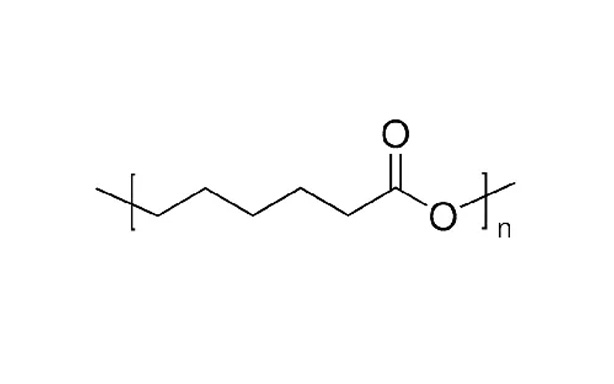
Linear Formula: (C6H10O2)n
CAS No.: 24980-41-4
● Product Description
Polycaprolactone (PCL) is a semi-crystalline, hydrophobic, biodegradable polyester that has gained popularity as a biomedical polymer due to its biocompatibility, ease of manipulation both chemically and physically, and tunable degradation rates. It is a versatile polymer that can be processed into various forms, including films, fibers, and 3D printed scaffolds, making it suitable for a wide range of applications in tissue engineering, and drug delivery.
● Specifications
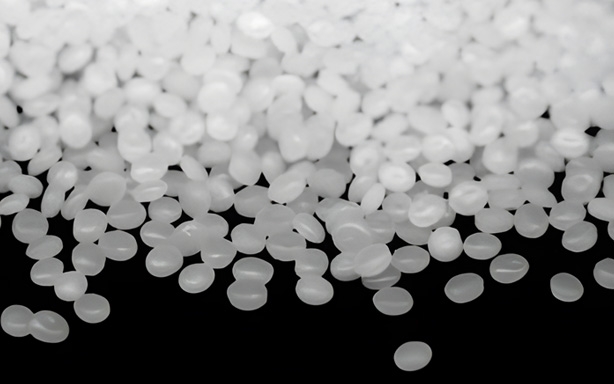
Appearance | White granules |
Melt Point: | ~ 60 °C |
Glass transition temperature | (Tg ~ 60 °C) |
Soluble in | various organic solvents like dichloromethane, benzene, chloroform, toluene and carbon tetrachloride. However, it exhibits limited solubility in acetone, ethyl acetate, dimethylformamide and acetonitrile, while it is insoluble in alcohol, water and diethyl ether |
| Storage | -15°C, protected from light and moisture |
● Applications
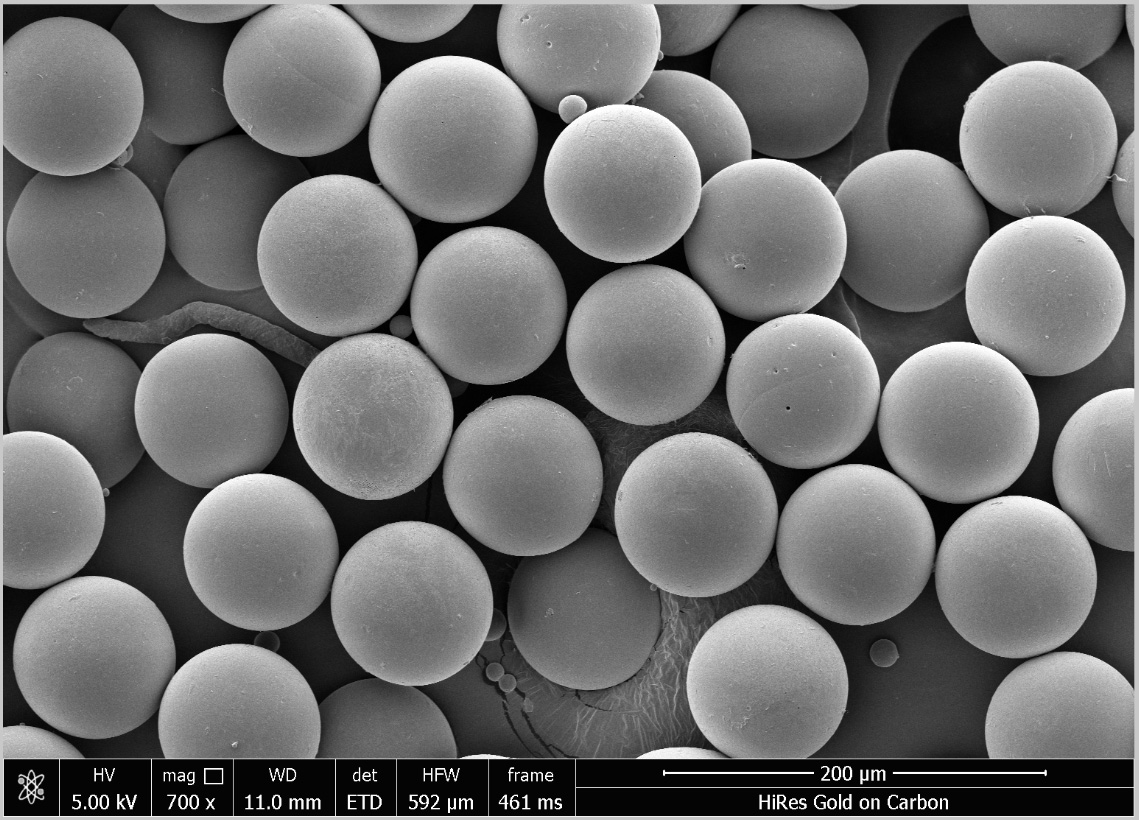
SEM Image of PCL Microspheres
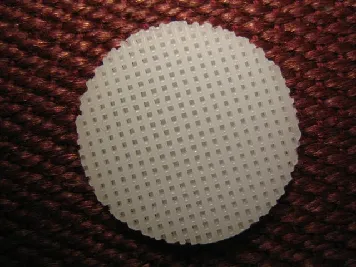
Optical Micrograph of PCL 3D-printed scaffold
● Product List
Product Number | Description | Inherent viscosity |
SorlymerTM PCL 17 | Polycaprolactone | 1.5-1.9 dl/g |
SorlymerTM PCL 12 | Polycaprolactone | 1.0-1.3 dl/g |
SorlymerTM PCL 08 | Polycaprolactone | 0.7-0.9 dl/g |
SorlymerTM PCL 04 | Polycaprolactone | 0.35-0.43 dl/g |
● References
[1] Malikmammadov E , Tanir T E , Kiziltay A ,et al.PCL and PCL-Based Materials in Biomedical Applications. Journal of Biomaterials Science Polymer Edition, 2017, 29(7-9):1-55.
[2] Tao X, Zhipeng L, Bin D, et al. Polymer blend nanofibers containing polycaprolactone as biocompatible and biodegradable binding agent to fabricate electrospun three-dimensional scaffolds/structures. Polymer, 2018, 151(29): 299-306.
[3] Duran, M. , et al. Microcapsule production by droplet microfluidics: A review from the material science approach. Materials & Design (2022).
[4] Chen, Philipp W. , R. M. Erb , and Studart, André R. Designer Polymer-Based Microcapsules Made Using Microfluidics. Langmuir the Acs Journal of Surfaces & Colloids 28.1(2012):144.
If you want to learn more about product information
Please fill in the following information to download the product manual. We will reply to you as soon as we receive your message.