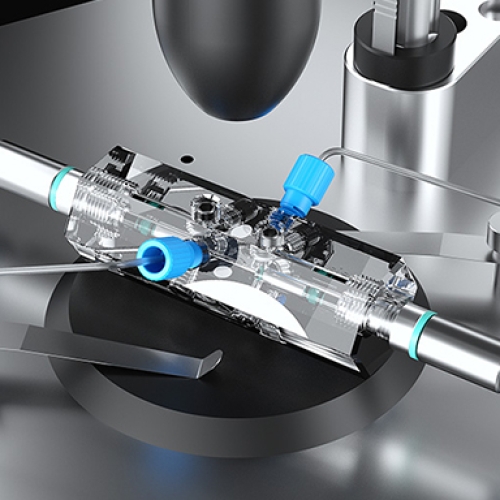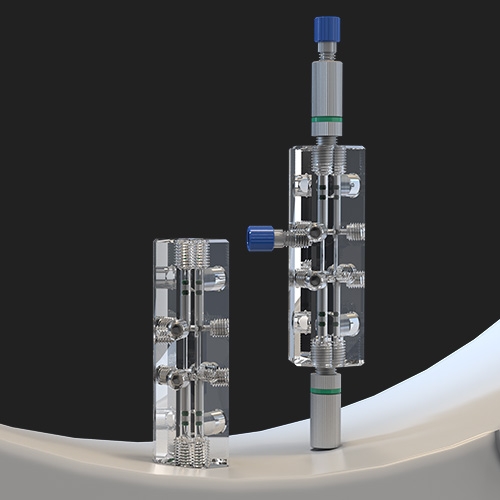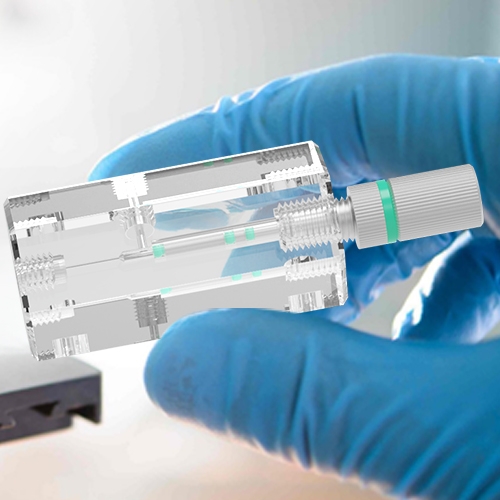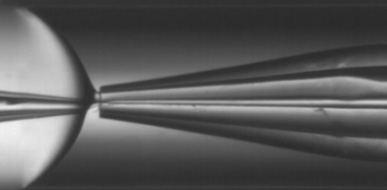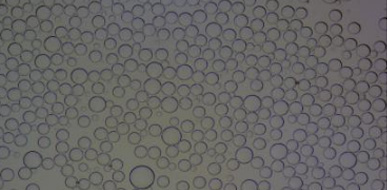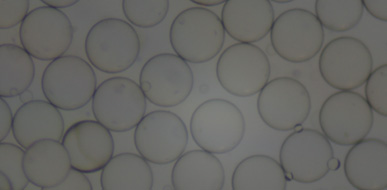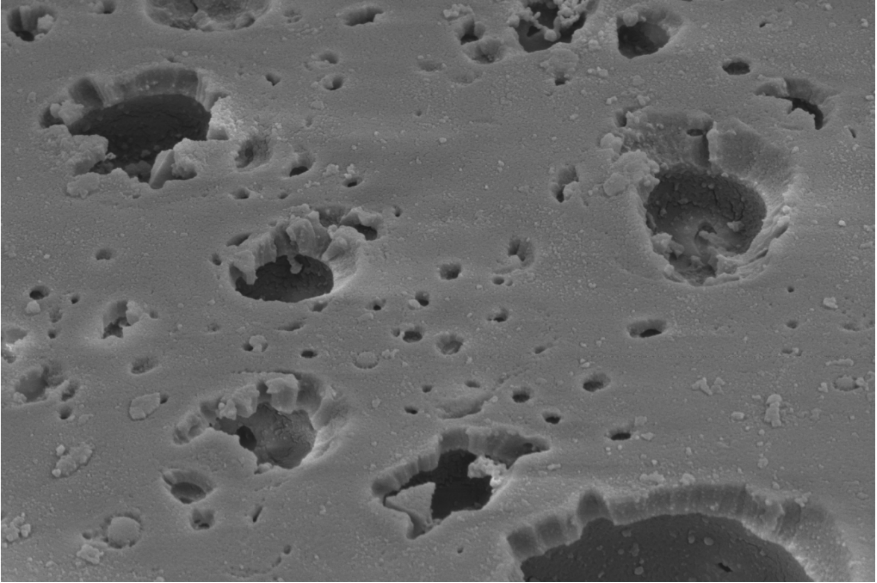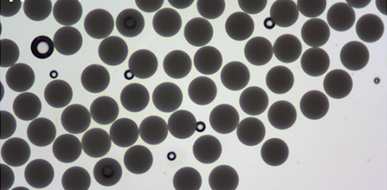


The potential of droplet microfluidics technology in cosmetic research and development is mainly reflected in the following aspects:
• Innovative product forms: Droplet microfluidics technology enables the development of novel cosmetic forms, such as microemulsions or microcapsules, which can deliver brand-new visual and sensory experiences.
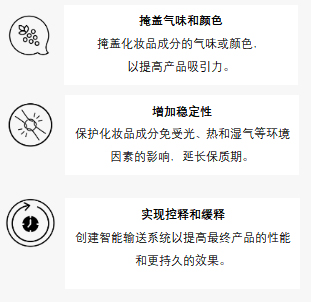
• Improved stability of active ingredients: By encapsulating ingredients in highly monodisperse droplets, they can be protected from environmental impacts, thereby enhancing the stability and efficacy of the products.
• Personalized customization: Different types of emulsions can be produced according to the needs of individual products, each with specific functions, to meet the market demand for personalized and customized products.
• Enhanced product added value: Cosmetics produced via droplet microfluidics technology often have higher technical content and better application effects, which can improve the market competitiveness and added value of the products.
The application of microfluidics technology has become an important direction for innovation in the cosmetics industry. Below are some international cosmetics companies that have adopted microfluidics technology:
• Elizabeth Arden: Elizabeth Arden has developed multiple emulsions using microfluidics technology, which enables nearly identical size and morphology of each droplet, thereby improving the uniformity and stability of the product.
• Chanel: As one of the first brands to apply microfluidics technology to skincare products, Chanel collaborated with the French start-up Capsum to develop its Hydra Beauty Micro Serum with microfluidics technology. This technology can encapsulate rose extract to preserve its fresh activity upon application.
• Dior: One of Dior's serum products uses microbeads encapsulated via microfluidics technology. These microbeads contain highly antioxidant Italian helichrysum oil to protect the natural plant oils that are prone to oxidation.
• L'Oréal Group: L'Oréal Group has demonstrated its cutting-edge technology in personalized skincare, launching My Skin Track pH, a wearable device that uses microfluidics technology to measure an individual's skin pH value.
• BASF: BASF has in-depth research and application in the field of cosmetic raw materials and formulations. It has developed microcapsule products using microfluidics technology, which can ensure the stability and activity of ingredients.
Through the application of microfluidics technology, these companies have not only improved the efficacy and stability of their products, but also enhanced the consumer experience. Meanwhile, they have demonstrated the development direction of technological innovation in the cosmetics industry. With the further advancement of the technology and the reduction of costs, it is expected that more cosmetics companies will adopt microfluidics technology in the future.